
It is 10:47 p.m.
You have eaten dinner, changed into comfortable clothes, and technically completed everything that had to happen today. Your laptop is closed. The dishes can wait. Nobody is expecting an immediate reply.
Yet the day does not feel over.
While watching a show, you remember an email you forgot to send. In the shower, you mentally rewrite something you said during a meeting. When you finally get into bed, your brain presents tomorrow’s responsibilities as though they are emergencies happening right now.
You are not working anymore, but some part of you is still standing at an invisible desk.
For some people, a day does not end when the clock reaches a certain hour. It ends only when everything feels handled—and because everything is almost never handled, the day remains psychologically open.

The Clock Can End a Day That Your Mind Has Not Closed
A calendar treats each day as a neat container.
It begins at midnight, holds twenty-four hours, and closes before the next one starts. The mind does not operate so neatly. It carries unfinished work, unanswered messages, awkward interactions, postponed decisions, and vague worries across the boundary.
This creates a strange state in which your body has entered the evening, but your attention has not.
You may sit with your family while mentally reviewing a presentation. You may go for a walk while calculating how much work tomorrow will require. You may lie in bed remembering a task that was not important enough to do but apparently important enough to disturb your sleep.
The feeling is not always, “I have more work to do.”
Often, it is simply:
“I have not earned the right to stop yet.”
Completion and Closure Are Not the Same Thing
Completion means that every task is finished.
Closure means that your brain understands where today ends and tomorrow begins.
Those are very different things.
Most adults will rarely reach total completion. There will always be another message, chore, idea, form, appointment, purchase, repair, or responsibility waiting somewhere. Even when the formal to-do list is empty, life continues generating new tasks.
People who feel finished with a day are not necessarily completing more. They may simply be better at placing unfinished things into a trusted future.
They can say:
“This is not done, but I know when I will return to it.”
A person who struggles with closure hears something different:
“This is not done, so I must continue holding it in my mind.”
The task remains mentally active, not because work is currently happening, but because the brain has not received a convincing stopping point.
Your Attention Leaves Residue Behind
Imagine making tea in a cup that still contains a little coffee. Even after changing the drink, part of the previous flavour remains.
Attention can behave similarly.
Researcher Sophie Leroy used the term attention residue to describe what happens when part of our attention remains attached to a previous task after we have moved on. In experiments, transitioning away from unfinished work made it harder for people to direct their full attention towards the next activity.
This helps explain why finishing work at 7 p.m. does not necessarily mean you are mentally available at 7:01.
Your brain may still be:
- Replaying the last task
- Tracking what remains incomplete
- Preparing to resume it
- Checking whether forgetting it would have consequences
- Imagining problems that might emerge overnight
The work has left the screen, but not your mental workspace.
Interestingly, a recent meta-analysis questioned the popular claim that unfinished tasks are always remembered better than completed ones. However, it did find a broader tendency to resume interrupted activities. The mind may not preserve every unfinished detail perfectly, but it often continues treating incompletion as a request for future action.
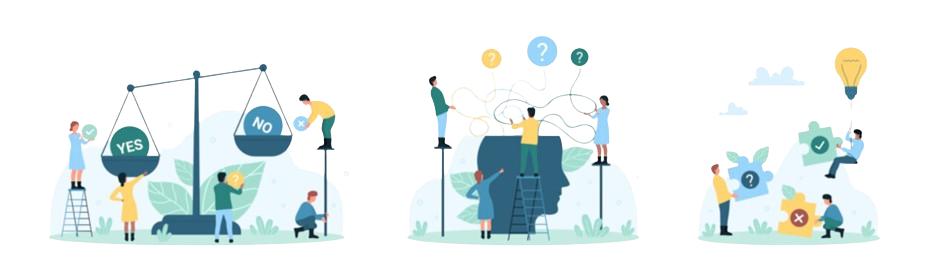
The Day Becomes a Test You Cannot Pass
Some people unknowingly give each day impossible success criteria.
A “good day” must include productive work, exercise, healthy meals, meaningful social interaction, household maintenance, personal development, emotional balance, sufficient rest, and perhaps some progress towards a long-term dream.
Missing one category can make the entire day feel incomplete.
You may finish eight important tasks but focus on the workout you skipped. You may spend meaningful time with your family but feel guilty about the document you did not complete. You may work hard all day and still judge yourself for not reading, meditating, cleaning, or replying to everyone.
The problem is not laziness. It is that the definition of “enough” keeps expanding.
There is always one more thing that could improve the day.
One more email could make tomorrow easier. One more hour could move the project forward. One more productive choice could rescue you from the suspicion that you have wasted time.
When “finished” means “nothing more could reasonably be done,” almost no day will qualify.
Invisible Work Keeps the Day Open
Not everything that occupies the mind appears on a to-do list.
You may spend the evening remembering that a family member needs an appointment, wondering whether a friend is upset, comparing travel options, tracking household supplies, or preparing for a conversation nobody else knows is coming.
This is sometimes called mental load: the planning, remembering, anticipating, and monitoring required to keep life functioning.
A task may take only five minutes to complete but remain in the mind for five days beforehand.
“Book the appointment” is a small action. Remembering to check schedules, find the number, compare timings, ask someone about availability, and make sure the appointment actually happens is a continuing mental process.
By bedtime, you may look as though you have been resting for hours while internally managing an invisible control room.
No wonder the day does not feel finished. Part of you has remained on duty.
Digital Life Rarely Provides a Natural Ending
Many activities once had physical boundaries.
You left the office. The shop closed. The newspaper ended. The programme finished. The person you wanted to speak with was unavailable until tomorrow.
Now work, entertainment, shopping, news, and social interaction live inside the same device.
Your workday can restart because someone sends a message at 9:12 p.m. A quiet evening can become a comparison session after three minutes on social media. One notification can make the brain reopen a subject it had nearly placed down.
Even silence may not feel final because you know something new could arrive at any moment.
The device beside you functions like a door that never fully closes.
This does not mean phones are inherently harmful. It means the mind receives fewer external signals that say, “Nothing else is required from you today.” Without those signals, you may need to create your own.

Rest Has Become a Reward Instead of a Requirement
People who never feel finished often treat rest as something granted only after perfect completion.
The internal rule sounds reasonable:
“I will relax when everything is done.”
But everything is never done.
As a result, rest happens physically but not emotionally. You watch television while feeling guilty. You meet a friend while thinking about work. You take Sunday off but spend half the day worrying that you should be using it more effectively.
This creates a painful contradiction: you are too tired to work properly but feel too unfinished to rest properly.
Rest then begins to feel less like recovery and more like irresponsible inactivity.
A healthier rule is not, “I rest because I completed everything.”
It is:
“I rest because I am a person with limits, and tomorrow also needs a functioning version of me.”
How to Give a Day an Ending
You do not need to complete your entire life before going to bed. You need a reliable way to tell your mind that today’s responsibilities have been contained.
Create a “Closed for Today” List
At the end of the day, write three brief sections:
- What I completed
- What remains open
- The first step for tomorrow
The third section matters most. “Finish presentation” is still vague and mentally demanding. “Open slide 12 and add the sales chart at 10 a.m.” gives the brain a clear re-entry point.
You are not pretending the task disappeared. You are showing yourself that it has a place to go.
Define Enough Before the Day Begins
Do not wait until you are exhausted to decide whether you have done enough.
Choose one to three outcomes that would make the day meaningful. Everything else can be useful without becoming the price of emotional permission to stop.
A day can be complete even when the larger project is not.
Separate Urgency From Mental Noise
An unfinished task can feel urgent simply because it keeps returning to your attention.
Ask:
- Does this need action tonight?
- Would waiting until tomorrow create a real problem?
- Is there a specific next step?
- Am I solving something, or repeatedly remembering it?
Not every thought that arrives after dark deserves an evening shift.
Use a Physical Closing Ritual
The mind learns through repeated signals.
Close the laptop and put it away. Change clothes. Wash your face. Take a short walk. Play one particular song. Dim the lights. Write tomorrow’s first task on paper.
The ritual itself can be small. Its value comes from repetition. It marks a transition that modern life no longer creates automatically.
Practise Resting While Something Remains Unfinished
This may be the most important and uncomfortable skill.
Leave one harmless task incomplete on purpose. Notice the urge to return to it. Remind yourself that postponement is not failure and that responsibility does not require constant mental contact.
You are teaching your brain:
“An open task can exist without keeping the entire day open.”

A Place to Put the Thoughts You Keep Carrying
When the day continues looping long after work has stopped, ChatCouncil offers private AI emotional support, guided journaling, mood tracking, and meditation tools. As a mental wellness app with 24/7 mental health support, it can provide a structured place to unpack unfinished thoughts, recognise recurring stress patterns, and create a calmer transition into rest.
A Finished Day Does Not Need to Be a Perfect Day
A finished day can contain unanswered emails.
It can contain a messy room, an incomplete project, a difficult feeling, and plans that did not happen. It can contain mistakes you will address later and ambitions that will require many more mornings.
The day does not become complete because every responsibility has vanished.
It becomes complete when you decide that today has carried enough.
Tomorrow does not need you to stand mentally at its entrance all night, guarding every possible problem. It will arrive on its own. The unfinished work will still be there, and you will meet it with more energy than you would have had by carrying it through the night.
Sometimes the healthiest way to finish a day is not to finish everything.
It is to say:
“There is more to do. But there will also be more time.”