The word "burnout" used to conjure up a specific image: a high-powered executive working 80 hours a week, surviving on coffee and sheer willpower. It was a badge of honour, a sign you were pushing yourself to the absolute limit.
Today, burnout is no longer just about the high-flying CEO or the overworked doctor. It has democratized. It has become a quiet, pervasive exhaustion that infects nearly every profession, from the software developer to the retail manager to the stay-at-home parent navigating the digital maze of school schedules.
In the age of automation and AI, the definition of burnout hasn't disappeared—it has subtly, dangerously shifted. Technology was supposed to free us from drudgery, but for many, it has simply replaced physical exhaustion with cognitive fatigue and the crushing pressure to keep up with a tireless machine.
This new strain on our mental wellbeing isn't always visible in long hours. It’s found in the erosion of boundaries, the anxiety of potential obsolescence, and the pressure to perform at an inhuman pace.
If you’re wondering why you feel depleted even when you’re "only" working 40 hours a week, it’s time to look closely at the new shape of burnout.
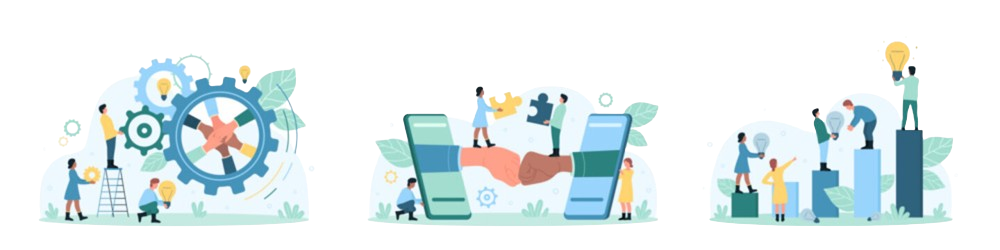
🤖 The Three Pillars of Modern Burnout
The World Health Organization (WHO) classifies burnout as an "occupational phenomenon" resulting from chronic workplace stress that hasn't been successfully managed. It is characterised by three dimensions: exhaustion, cynicism, and reduced professional efficacy.
In our automated world, these three dimensions take on new, sharp edges:
1. Energy Depletion: The "Always-On" Overload
Traditional exhaustion came from doing too much. Modern exhaustion comes from managing too much information, too many platforms, and the pressure of constant availability.
The Notifications Treadmill: Automation tools like Slack, Teams, and email were designed for efficiency, but they also mean work lives in your pocket, buzzing through dinner and weekends. A 2024 report showed that 58% of employees feel they are always connected or available for work. This destroys the psychological boundary between work and rest, preventing the deep recovery needed to restore your well being.
The Fragmentation Tax: Automation is often layered—one tool for project management, another for communication, a third for data analysis. Juggling these fragmented systems creates "automation fatigue" or cognitive load. You spend mental energy switching context and verifying that the machine didn't miss something, rather than engaging in deep, meaningful work.
The Blurring of Roles: With AI handling repetitive tasks, what's left for the human worker is often the most complex, ambiguous, and emotionally demanding work. The easy, routine tasks that once provided a necessary mental break are gone. This continuous demand to tackle only high-stakes problems accelerates emotional exhaustion.
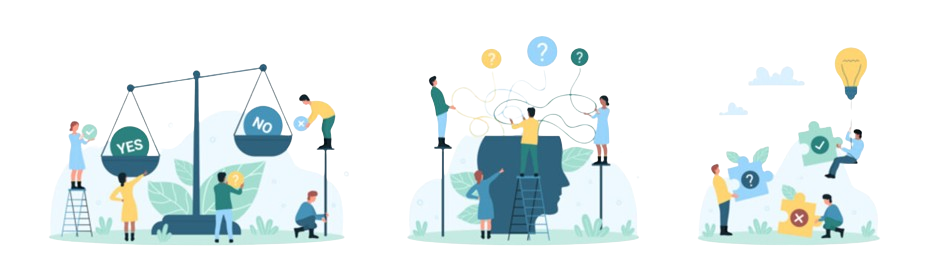
2. Cynicism & Detachment: The Surveillance Vibe
The second characteristic of burnout is an increased mental distance from your job, often leading to negativity or cynicism. In the automated age, this is amplified by a sense of being monitored and a loss of personal value.
The Metrics Trap: Many AI and automation tools come packaged with tracking and performance monitoring. While useful for management, seeing your productivity reduced to keystrokes or output metrics can feel dehumanizing. When employees feel they are being surveilled rather than supported, trust erodes. This fuels cynicism and a sense that your human effort and judgment don't truly matter.
The Loss of Relational Cues: As more communication happens asynchronously over screens, we miss the subtle relational cues—a shared joke, a concerned look, a tone of voice—that build psychological safety. AI in mental health or work context can assist with tasks, but it cannot replicate the complex, embodied relational presence that helps us feel valued and understood as well beings. When work lacks this human connection, detachment is a natural defense mechanism.
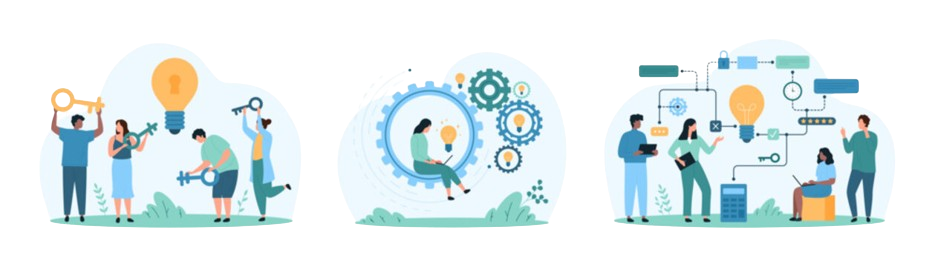
3. Reduced Efficacy: The Fear of Obsolescence
The final pillar of burnout is a reduced sense of professional accomplishment. This is perhaps the most emotionally potent factor in the age of automation.
The Upskilling Arms Race: The pace of technological change is relentless. Every month brings a new tool, a new AI agent, or a new framework you're expected to master. This creates a constant, low-grade anxiety: Am I up-to-date? If I take a holiday, will I be irrelevant when I get back? This pressure to always be in "catch-up mode" fosters a severe crisis of self-doubt.
Role Ambiguity and Identity Erosion: When AI can generate a perfect first draft of code, a detailed report, or a polished marketing copy in seconds, the human worker is left asking, "What is my job now?" Many feel like "glorified prompt engineers" or "verifiers" rather than creators. This confusion over one's role and purpose—a feeling that the thing you mastered is now automatable—eats away at self-worth and leads to reduced emotional wellbeing.
🌿 Fighting Back: Reclaiming Your Human Space
The antidote to automation burnout is not to reject technology, but to radically re-establish human boundaries and prioritize health and support that machines cannot provide.
1. Build a Personal "Policy on Mental Health"
You cannot wait for your organization to solve this entirely. You must create your own rules of engagement:
Digital Disconnect Hours: Implement a firm "digital curfew." Turn off all work notifications after a certain time and leave your devices in another room while you are doing something restorative like family time, reading, or meditations for mental health.
Boundary Visibility: Communicate your boundaries clearly. Use auto-replies or status updates that say, "I am offline and will respond at 9 AM tomorrow," to remove the pressure of the "always-on" expectation. This is a crucial step if you feel the urge to message, I need help, but can't articulate what kind.
Intentional Downtime: Schedule rest as seriously as you schedule meetings. Downtime must be actively protected time for recovery.
2. Re-Embrace Human Reflection and Connection
When AI handles the processing, you need to dedicate your freed-up cognitive space to reflection and growth.
Integrate Reflective Practices: Tools like journaling for mental health and wellness journaling are more important than ever. They force you to process the emotions behind the data. An AI in mental health tool can help by identifying patterns in your health journaling entries, providing a personalized health guide, and suggesting strategies to enhance mental health.
Seek Conversational Support: When overwhelmed, talking it out breaks the isolation that automation fosters. For those who need a safe, low-stakes place to unpack their feelings without judgment, engaging in structured, anonymous conversations can be hugely beneficial. Platforms designed to facilitate guided, peer-to-peer discussions offer invaluable support and mental health resources, ensuring you can process stress patterns and feel less alone in the digital complexity of life. These safe havens blend the convenience of digital access with the critical need for human-centric processing.
Define Your Non-Automatable Value: Focus your energy on skills AI cannot replace: emotional intelligence, complex ethical decision-making, strategic storytelling, and leadership. Redefining mastery around these human skills will dramatically enhance the quality of life and professional efficacy.
The truth is, automation will only continue to accelerate. The new challenge is not to keep up with the machine, but to stay deeply, resiliently, and authentically human. Burnout in this new era is the painful signal that your well being and mental health are being sacrificed to the relentless pace of efficiency. Listen to that signal. Reclaim your right to disconnect, redefine your worth, and find the health support you need to thrive—not just survive—in the age of AI.