
I used to think I was the “driven” one.
Not the loud, bossy kind of driven. More like the quietly impressive kind. The kind that replies fast, finishes tasks early, remembers everyone’s deadlines, and somehow still looks composed. People would say things like, “You’re so disciplined,” and I would nod like, yes, thank you, this is my personality.
But the truth is… my discipline wasn’t powered by ambition.
It was powered by fear wearing a nice outfit.
And that fear had a name I didn’t want to admit: shame.
It took me a long time to see it because shame doesn’t always show up as crying in the bathroom or feeling “not good enough” in a dramatic way. Sometimes shame shows up as productivity. Sometimes it shows up as high standards. Sometimes it shows up as motivation that looks impressive from the outside and feels brutal from the inside.
The “Motivated” Version of Me Everyone Applauded
From the outside, my life looked like a highlight reel of responsibility. I kept moving. I kept improving. I kept pushing. I treated rest like a reward you earn only after proving you deserve it. I wasn’t the person who needed reminders. I was the reminder.
But inside, the fuel was… sharp.
It sounded like:
- “Don’t mess this up.”
- “If you slow down, you’ll fall behind.”
- “If you’re not exceptional, you’re nothing.”
- “If you disappoint people, you’ll lose them.”
- “If you’re not useful, you’re replaceable.”
That voice didn’t feel like motivation. It felt like pressure.
And the scariest part? I thought that pressure was the reason I succeeded. I genuinely believed that without it, I’d become lazy or average or invisible.
So I protected it.

The Day I Realised My “Drive” Was Actually Shame
It happened on an ordinary day, which is exactly why I couldn’t blame it on a “bad mood.”
I had done something objectively good—finished a task early, got praise, the kind of moment where you’re supposed to feel proud. Someone said, “This is excellent,” and I smiled. I even said “thank you.”
Then I walked away and instead of feeling satisfied, my brain immediately said:
“Okay. Now don’t ruin it.”
Not enjoy it. Not celebrate it. Not breathe.
Just: don’t ruin it.
And that’s when I noticed something uncomfortable. I wasn’t working hard because I believed in my potential. I was working hard because I was terrified of confirming my worst belief about myself.
That belief wasn’t “I failed.”
It was: “I am a failure.”
That’s the difference between healthy accountability and shame. A lot of shame researchers describe shame as being about the self (“I am bad”) rather than the behavior (“I did something bad”).
In that moment, my entire “motivated” personality started to look different. Not like a strength… but like a coping mechanism that had gotten really good at pretending it was confidence.
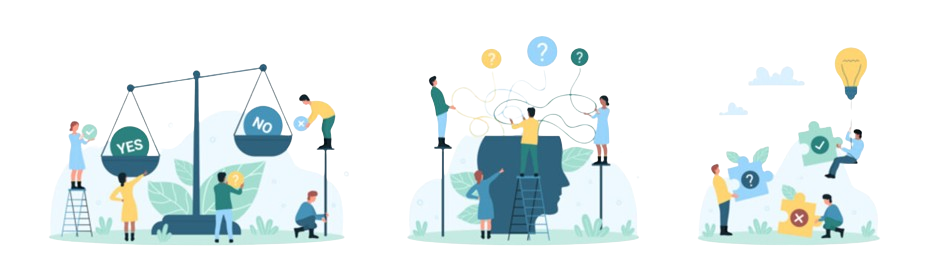
Shame’s Favorite Disguise: “High Standards”
Shame rarely introduces itself honestly. It doesn’t walk in saying, “Hi, I’m here to make you hate yourself.” It walks in saying, “Let’s level up.”
It disguises itself as:
- perfectionism
- discipline
- ambition
- self-improvement
- “just wanting the best”
And because those things are socially praised, shame can survive for years without being questioned. Nobody pulls you aside to say, “Hey, your productivity seems emotionally unsafe.”
They just say, “You’re doing amazing.”
Meanwhile, inside, you’re running on a battery that burns you while it powers you.
How Shame-Based Motivation Feels Different From Healthy Motivation
Here’s the simplest way I can explain it.
Healthy motivation feels like movement. You might feel challenged, but you also feel human. You can pause without panic. You can make mistakes without collapsing into self-hate. You feel motivated because you want something.
Shame-based motivation feels like escape. You’re not moving toward something, you’re running away from something. You’re motivated because you don’t want to feel the unbearable feeling of being “not enough.”
Shame-based motivation has a specific emotional aftertaste:
Even when you achieve, you don’t feel proud.
You feel relieved.
And relief is not the same thing as confidence.
The Shame Loop I Didn’t Realise I Was In
Once I saw it, I could map the pattern like a routine:
Step 1: I set an unrealistically high bar.
Step 2: I chase it hard, fueled by pressure.
Step 3: I reach it and feel temporary relief.
Step 4: My brain immediately raises the bar again.
Step 5: I repeat, because stopping feels unsafe.
That loop looks like “motivation,” but it’s actually a treadmill powered by self-judgment.
And it doesn’t just affect your work. It affects your mental wellbeing, your emotional wellbeing, your relationships, and your well being and mental health overall because your nervous system never gets the message that you’re safe as you are.
Research often links shame closely with self-criticism, and self-criticism itself is consistently associated with distress like anxiety and worry. (ScienceDirect)
Which makes sense. If your internal voice talks like an enemy, your body will live like it’s under attack.

The Most Convincing Part: Shame Can Produce Results
This is where people get stuck, and I did too.
Because shame works… for a while.
It can make you study harder, work longer, stay hyper-alert, and polish everything until you look “put together.” Some research even explores how emotions like shame can shape persistence and performance, though the relationship isn’t simple or universally helpful.
But “it gets results” is not the same as “it’s good for you.”
A tool can be effective and still be harmful. Like running a machine on the wrong fuel—it may move faster, but it damages the engine.
And eventually, shame-based motivation collects its payment.
It shows up as burnout, numbness, irritability, procrastination, or that strange feeling of being unable to enjoy anything you worked so hard for.
Signs Your Motivation Might Be Shame in a Suit
If any of these feel a little too familiar, you’re not alone:
- You feel guilty resting, even when you’re exhausted.
- You don’t feel proud after achievements—only relieved.
- You are harsher to yourself than you’d ever be to someone you love.
- Mistakes feel like proof that you’re “not good enough,” not just human.
- You chase approval like oxygen, even if you pretend you don’t.
- You only feel worthy when you’re productive.
This isn’t about diagnosing yourself. It’s about noticing the emotional engine behind your actions.
Because two people can do the same thing—work hard—and one feels fulfilled while the other feels hunted by their own mind.
What Changed When I Stopped Calling It “Drive”
The first shift was language.
Instead of saying, “I’m just motivated,” I started asking:
What am I trying to avoid feeling right now?
And often the answer was something like:
- embarrassment
- rejection
- being judged
- being average
- being seen as “not enough”
Once I admitted that, the pressure didn’t magically disappear, but it became less mysterious. It wasn’t “discipline.” It was fear.
The second shift was realising this: shame doesn’t motivate you toward growth; it motivates you away from being human.
Growth says, “I can improve.”
Shame says, “I must improve or I don’t deserve love.”
Those are not the same journey.
Journaling That Exposes Shame Without Becoming Dramatic
One thing that helped me was journaling for mental health, but not in the Pinterest-quote way. More like an honest audit.
I’d write a few lines when I felt that pressure spike. Nothing fancy, just real.
Here are prompts that helped expose shame when it tried to disguise itself:
- If I fail at this, what do I believe it says about me?
- Whose approval am I chasing right now?
- What am I scared will happen if I slow down?
- What would “enough” look like today, realistically?
- Can I treat this like feedback instead of a verdict?
That’s journaling therapy in a practical sense: you’re separating behavior from identity, and reality from the story shame is telling.
Over time, this kind of health journaling became a quiet health guide for my mind something that didn’t fix everything, but helped me stop blindly obeying the harsh voice.
Replacing Shame With Support (Not Softness)
A lot of people fear that without shame, they’ll lose their edge.
I feared it too.
But here’s what I learned: you don’t replace shame with laziness. You replace shame with support.
Support sounds like:
- structure that doesn’t punish you
- goals that don’t require self-hate
- boundaries that protect your energy
- rest that isn’t earned through suffering
Support and mental health go together because support makes consistency possible. Shame makes consistency expensive.
If you’ve ever had the thought, “I need help,” you’re not weak. You’re noticing that your current system is costing too much.
Sometimes you do need therapy. Sometimes you need a starting point - a safe way to unpack thoughts without feeling judged or exposed.
A mental health app like ChatCouncil can be useful here: it offers guided wellness journaling, reflective check-ins, and calming exercises you can do privately, anytime. If your inner voice is intense, having structured prompts and AI in mental health support can help you shift from self-attack to self-understanding, which can enhance mental health without turning it into another performance.

The Real Motivation I’m Learning Now
Shame says: “Prove yourself.”
Healthy motivation says: “Build yourself.”
Shame demands perfection as the price of belonging.
Healthy motivation assumes you belong, and growth is simply part of living.
And the difference shows up in your body.
With shame, your success feels like temporary safety.
With healthy motivation, your success feels like genuine pride.
One makes you productive.
The other enhances the quality of life.
I still have ambitious days. I still want to improve. But now I try to notice the emotional tone behind my ambition. If it feels cruel, urgent, and panicked, I pause. If it feels steady, curious, and respectful, I continue.
Because shame can get you moving.
But only self-respect can get you home.